
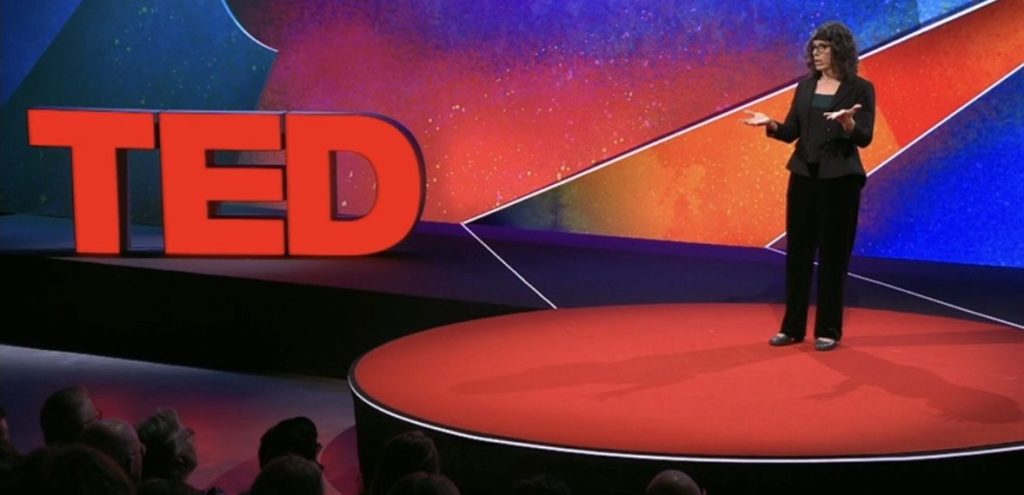
Two years ago this week, I presented my TED Talk at TED Countdown: Overcoming Dilemmas in the Green Transition in Brussels. Acknowledging the challenges of the green transition, along with the broader obstacles to achieving the 1.5 degree goal set in the Paris Agreement, the event was designed to help “tip the balance in this decisive decade.”
To that end, I was joined by an amazing cohort that included: Fenton Lutunatabua who explained that the climate movement needs new stories and shared his own from Pacific Climate Warriors, Galina Angarova who described the hidden cost of the green energy transition, Joshua Amponsem who discussed how to fix the inequalities in climate work, and Vidhya Ramalingam who spoke about how disinformation has been weaponized to justify violence. (If you haven’t already, I suggest you check out all of these amazing TED Talks!)
Since then, the world has become a much scarier place with the threat of autocracy spreading in many countries (including mine). Simultaneously, the effects of the climate crisis have become more tangible, with climate change-exacerbated extreme events hitting more frequently and with more severity. At the same time, countries and companies have been walking away from the Paris Agreement and their clean energy goals.
This week, the UN released “Emissions Gap Report 2026: The point of return – Urgent emissions cuts needed to come back from overshoot of 1.5°C.” The report lays out the dire realities of our current trajectory. We have overshot 1.5 degrees and, at this point, the ‘lowest possible’ overshoot scenario involves limiting peak warming to 1.7 to 1.8°C. However, achieving this goal (which will involve substantial climate shocks and changes to our world) requires slashing emissions by 18 per cent by the end of the decade.”
Given the dire realities of the current moment, the question is: how can we build power in this polycrisis?
I lay out a way forward in my TED Talk: You don’t have to be an activist to make a difference. We don’t all need to get arrested protesting, but we must all work together to make our communities more resilient in the face of climate shocks. In places where we can, we all must also take full advantage of our democratic rights. Here in the US, that means we all must vote in the mid-term elections that are currently underway. And, if necessary, we need to be prepared to protect the results of our election and our democracy.
You can watch my TED Talk here:

