
As Trump’s second term continues (we are currently only 1 year and 4 months into his 4-year term), we are seeing continued resistance to the administration and its policies. There have been a series of days of action that have turned out millions of Americans to march and chant in peaceful protest (most recently in March). Last week, people across the country participated May Day Strong, which involved a majority of participants pledging not to shop during the day.
Across all of these actions that have involved millions of Americans, though, the demographics are the same: participants are majority female, overwhelmingly White, middle aged or older, voted for Harris in 2024, and were highly educated (much more so than the general population of the US). As Micah Sifry asked after No Kings 3 in March: “Is the movement leveling off? Can it grow beyond its predominantly older, well-educated base?”
Since our data continue to document that younger people, less-educated people, and People-of-Color are not joining Resistance 2.0 even while we are witnessing the effects of the recent SCOTUS decision on Black Americans and their ability to participate in our democracy, it’s the perfect time to revisit this conversation I had with Rashawn Ray earlier this year.
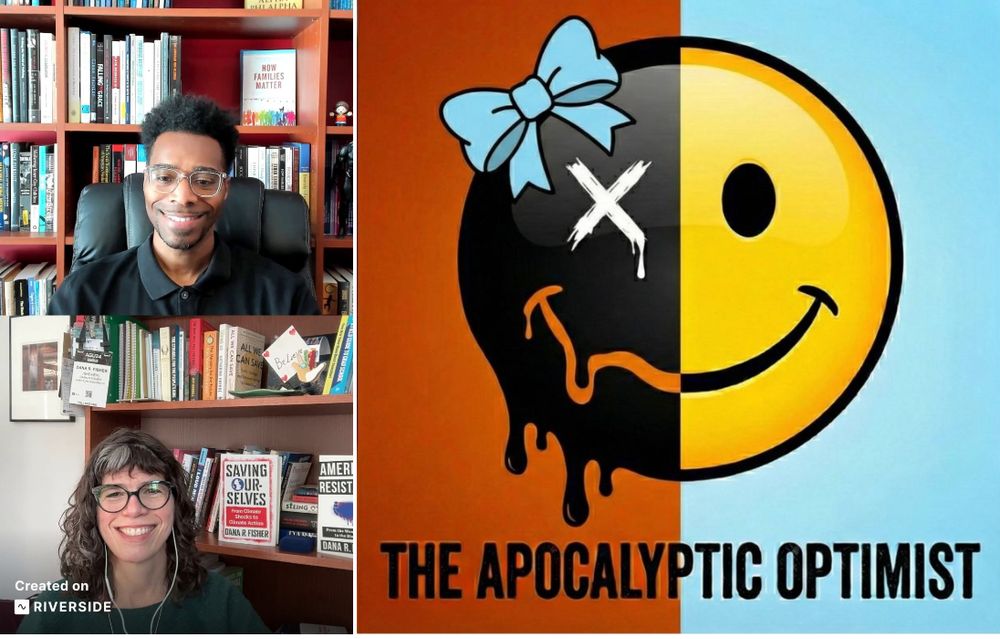
To understand the lack of diversity in the crowds and how we build solidarity in these highly polarized times, I asked my colleague and friend Dr. Rashawn Ray to join me on the Apocalyptic Optimist Podcast. Dr. Ray is an expert in racial inequality, policing, and intersectionality. In our conversation, he shares insights on how to mobilize young people and build solidarity across race, and so much more. The conversation is even more relevant today than when we had it in February.
I encourage everyone to tune in below or give it a listen on Apple Podcasts, or Spotify:

