
Obsessing over magic numbers won’t save us; we have to save ourselves.
Next weekend–on March 28th–the third No Kings Day will take place across the US. Organizers have been sharing this amazing map of the more-than-3000 planned events that have been scheduled for the day (the image below is from their website on 3/19).
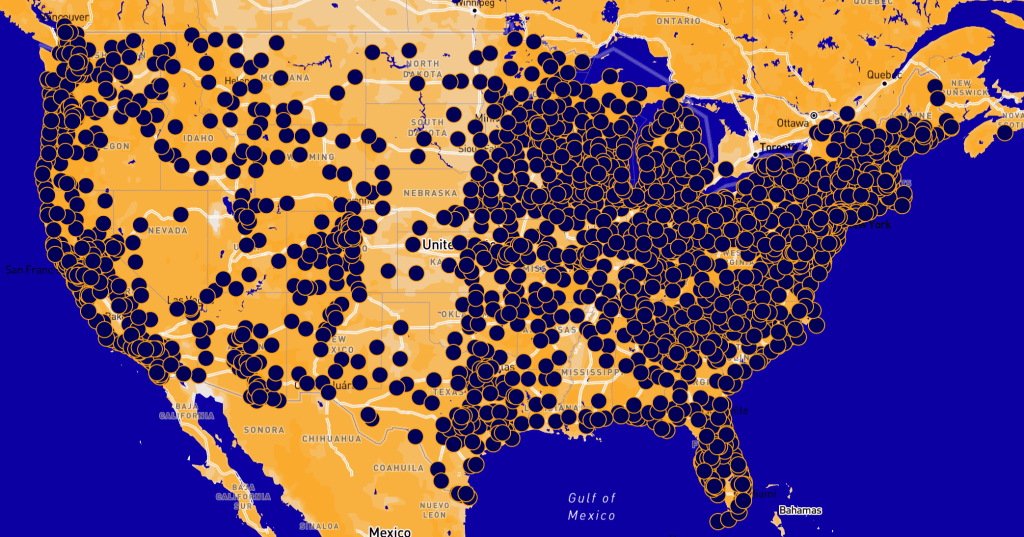
Like the two previous No Kings Days, the third is being coordinated by a broad coalition of progressive groups. These groups are relentlessly posting videos and images from previous No Kings Day actions. They predict it will be the largest single day of protest in US history, potentially dwarfing the first Women’s March in 2017 and the second No Kings Day, which turned out an estimated 7 million people across the US.
From where I sit in Washington, DC, I’m seeing a lot of buzz online, but not a lot of talk in the real world, which makes me skeptical that the organizers’ aspirations will come true. Mass mobilizations that turnout millions of people are hard to come by, and focusing on some magical number distracts from the true work of organizing for social change.
Research shows that getting huge numbers of people out in the streets in a coordinated fashion requires either a ton of organizing (and not just on social media) or a huge moral shock. We don’t see record-breaking turnout unless the “sympathetic middle” is motivated to skip that trip to the supermarket or little league game (or, in the case of No Kings 3 in Washington, DC, the annual Cherry Blossom Festival) and, instead, attend a protest.
We saw how moral shocks mobilized millions without much organizational infrastructure at that first Women’s March in 2017, as well as after George Floyd was murdered in 2020. We even saw it during the second No Kings day in October when people came out dressed in inflatable costumes to protest the immigration policies of the current Trump Administration and the federal occupation of American cities (for more on No Kings 2, read my piece here).
There are myriad studies documenting that, for social movements to persist and grow, they require organizational infrastructure that channels the outrage into activism for social change. During the the first Trump Administration, for example, the outrage in the streets was channeled into activism at the ballot box.
While it is clear that the organizers are leaning on social media and taking advantage of the sympathetic notables who post on various platforms to fan the flames of resistance, it’s not as clear what the plan is beyond marching in the streets on March 28th. Without more specific asks or a new moral shock that gets people motivated, merely a request to meet a magical number is likely not enough to break through.
At the same time, even if the third No Kings day turns out fewer people than the previous protests, it’s part of a bigger story about the geographically distributed resistance to the Trump Administration and all the resistance that is taking place on the ground in our communities between these big days of action. Let’s not skip this important part of the story, which is the connective tissue in the movement to save our democracy.
 Dana R Fisher