
Much of my research on social movements and protest has focused on understanding who protests and how they’re connected to one another. Since we know that pushing back to power requires movements that span identities, orientations, and social classes, some of that work looks particularly at solidarity and intersectionality.
We are now in year 2 of the second Trump Administration and this new round of Resistance is turning out many more people at many more geographically distributed protests (and a third No Kings day is scheduled for March 28th). While there have been more protests in more locations, my research has found that the people turning out during the current wave of protests are more highly educated, older and whiter than last time around.
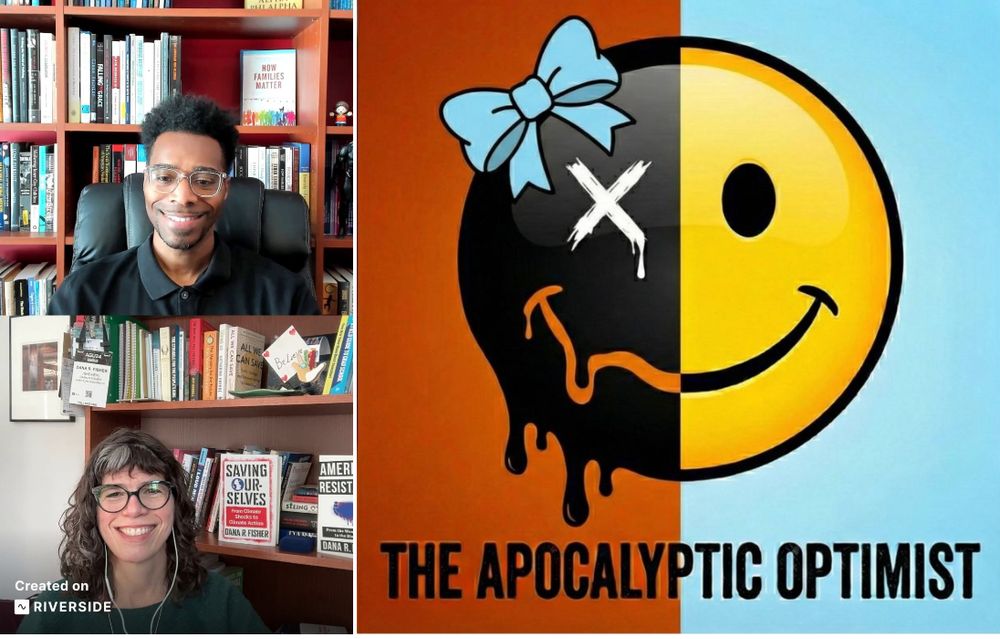
To understand the lack of diversity in the crowds and how we build solidarity in these highly polarized times, I asked my colleague and friend Dr. Rashawn Ray to join me on the Apocalyptic Optimist Podcast. Dr. Ray is an expert in racial inequality, policing, and intersectionality. In our conversation, he shares insights on how to mobilize young people and build solidarity across race, and so much more.
The whole conversation is worth a listen. Check it out here (or on Apple Podcasts, or Spotify):
 Dana R Fisher